When families begin exploring in-home support for an aging loved one, they quickly encounter two terms that are often used interchangeably but actually refer to distinct roles: caregiver and home health aide. Understanding the difference between these two types of care professionals is essential for choosing the right level of support. The wrong choice can mean paying for services you do not need or, worse, not getting the level of care your loved one requires.
This article breaks down what each role involves, the differences in training and certification, the scope of services each provides, cost considerations, and how to determine which type of support is the right fit for your family.
What Does a Caregiver Do?
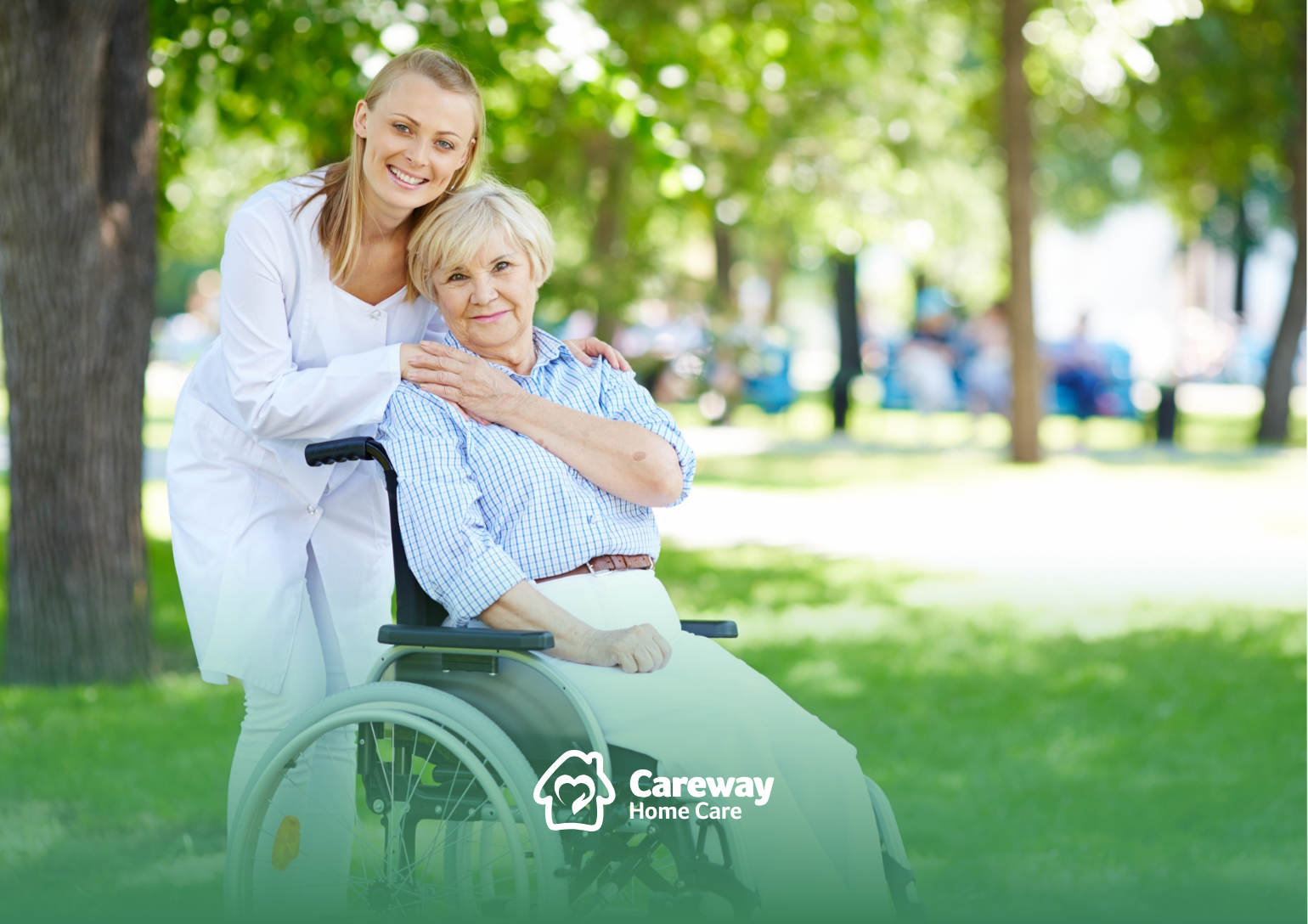
A caregiver, sometimes called a personal care aide or companion caregiver, provides non-medical assistance that helps seniors live safely and comfortably in their own homes. Caregivers focus on the daily activities that become more difficult as a person ages, supporting independence while ensuring safety and well-being.
The services a caregiver typically provides include:
Companionship. Many seniors experience loneliness and isolation, particularly those who live alone or have lost a spouse. A caregiver provides consistent human interaction, engaging conversation, and emotional support. They may play cards, watch movies, take walks, or simply be present so the senior does not feel alone.
Meal preparation. Caregivers plan and prepare nutritious meals based on the senior’s dietary preferences and any restrictions recommended by their doctor. They also help with grocery shopping and kitchen cleanup.
Light housekeeping. Maintaining a clean and organized home becomes challenging for many older adults. Caregivers help with laundry, dishes, vacuuming, dusting, and keeping living spaces tidy and safe.
Personal care assistance. Caregivers assist with activities of daily living such as bathing, dressing, grooming, and toileting. They approach these tasks with sensitivity and respect for the senior’s dignity and privacy.
Transportation. Getting to doctor appointments, the pharmacy, the grocery store, or social events is a common challenge for seniors who no longer drive. Caregivers provide safe transportation and accompany the senior as needed.
Medication reminders. While caregivers do not administer medications, they provide reminders to help seniors take their prescribed medications on schedule. This simple service can prevent missed doses and the complications that follow.
Errands and daily support. From picking up prescriptions to helping organize mail, caregivers handle the small but important tasks that keep daily life running smoothly.
What Does a Home Health Aide Do?
A home health aide, often abbreviated as HHA, provides a higher level of care that includes certain medical and health-related tasks performed under the supervision of a licensed healthcare professional such as a registered nurse or physician. Home health aides bridge the gap between non-medical home care and skilled nursing care.
In addition to many of the personal care tasks that caregivers perform, home health aides may be responsible for:
Vital sign monitoring. Home health aides may check and record blood pressure, temperature, pulse, and respiration rates, reporting any changes to the supervising nurse or doctor.
Wound care assistance. Under clinical supervision, home health aides may help with basic wound care, including changing dressings and monitoring healing progress.
Assisting with medical equipment. Some seniors require equipment such as oxygen tanks, hospital beds, or mobility devices. Home health aides are trained to help patients use this equipment safely.
Range-of-motion exercises. Home health aides may assist with prescribed physical therapy exercises designed to maintain or improve mobility, following specific instructions from a physical therapist.
Catheter and ostomy care. For seniors with these medical needs, home health aides provide assistance under nursing supervision.
Detailed health documentation. Home health aides maintain records of the patient’s condition, vital signs, and any changes observed during visits. This documentation is shared with the supervising healthcare team.
Key Differences in Training and Certification
The training and certification requirements for caregivers and home health aides differ significantly, reflecting the difference in the complexity of tasks each role performs.
Caregivers in Pennsylvania are not required to hold a state certification, though reputable agencies like Careway Homecare ensure their caregivers receive thorough training in personal care techniques, safety protocols, emergency procedures, and client communication. Many agencies also provide ongoing training to keep caregivers current on best practices. Background checks, reference verification, and competency assessments are standard at quality agencies.
Home health aides must complete a state-approved training program, which in Pennsylvania typically involves at least 75 hours of classroom and clinical instruction. They must pass a competency evaluation and are listed on the Pennsylvania Nurse Aide Registry. HHAs work under the supervision of a registered nurse or other licensed healthcare professional and receive regular performance evaluations.
The additional training home health aides receive qualifies them for clinical tasks that fall outside a caregiver’s scope, but it also means that HHA services tend to come at a higher cost.
Scope of Work Comparison
The simplest way to distinguish between the two roles is this: caregivers handle non-medical support, while home health aides handle both personal care and certain medical tasks.
A caregiver cannot take vital signs, assist with wound care, perform clinical documentation, or carry out tasks that require medical training. They are focused entirely on supporting the senior’s daily life, comfort, and social engagement.
A home health aide can perform those clinical tasks but always under the direction of a licensed professional. They do not independently diagnose conditions, create treatment plans, or administer medications. Their medical responsibilities are specific to the care plan developed by the supervising nurse or physician.
For many seniors, the distinction comes down to whether their care needs are primarily about daily living support or whether they have active medical conditions that require monitoring and hands-on clinical attention in the home.
Cost Differences
Cost is a practical consideration for every family. In Pennsylvania, caregiver services are generally less expensive per hour than home health aide services because of the differences in training requirements and scope of work.
Caregiver services through a home care agency typically range from $20 to $30 per hour depending on the level of care, the number of hours, and the region of the state. These costs are usually paid privately, though some long-term care insurance policies cover non-medical home care, and certain Medicaid waiver programs in Pennsylvania may also provide coverage.
Home health aide services tend to cost more per hour and are more often covered by Medicare, Medicaid, or private health insurance when ordered by a physician as part of a medically necessary care plan. However, Medicare coverage for home health aides is limited to specific situations and time periods, so families should not assume unlimited coverage.
For seniors whose needs are primarily non-medical, hiring a caregiver is the more cost-effective option and provides all the support they need. Paying for a home health aide when the care required is companionship, meals, and light housekeeping means paying a premium for clinical skills that are not being used.
Which One Does Your Loved One Need?
Determining the right type of care starts with an honest assessment of your loved one’s current needs.
A caregiver is likely the right choice if your loved one:
- Needs help with daily activities like bathing, dressing, and meal preparation
- Is experiencing loneliness or social isolation
- Requires transportation to appointments and errands
- Needs someone to provide medication reminders
- Is generally medically stable but cannot safely manage all daily tasks alone
A home health aide may be necessary if your loved one:
- Has an active medical condition requiring regular monitoring at home
- Needs assistance with wound care, catheter care, or medical equipment
- Has been discharged from the hospital with specific clinical care instructions
- Requires vital sign monitoring as part of their care plan
- Has a physician’s order for in-home health services
In many cases, seniors benefit from a combination of both. A home health aide might visit several times per week for specific medical tasks, while a caregiver provides daily companionship and personal care support. This layered approach ensures comprehensive coverage without overspending on clinical services when they are not needed around the clock.
How Careway Provides Quality Caregiver Services
Careway Homecare specializes in providing professional, compassionate caregiver services to seniors and families across Pennsylvania. Our caregivers are carefully selected, thoroughly trained, and matched with clients based on personality, needs, and preferences.
We understand that inviting someone into your loved one’s home is an act of trust, and we take that responsibility seriously. Every Careway caregiver undergoes comprehensive background checks, skills training, and ongoing professional development. Our care coordinators work with families to build personalized care plans that address your loved one’s unique situation, and we adjust those plans as needs change over time.
Whether your parent needs a few hours of companionship each week or full-time daily support, Careway Homecare delivers the reliable, dignified care that Pennsylvania families deserve. If you are unsure whether your loved one needs a caregiver, a home health aide, or both, contact us for a free consultation. We will help you understand your options and find the right path forward.