Chronic illnesses are among the most common health challenges facing seniors today. Conditions like diabetes, heart disease, arthritis, COPD, and dementia require ongoing management that can be overwhelming for both patients and their families. In-home care provides a structured, supportive environment that helps seniors manage these conditions while maintaining their independence and quality of life.
Common Chronic Conditions in Seniors
As we age, the likelihood of developing one or more chronic conditions increases significantly. Understanding these conditions is the first step toward effective management.
Diabetes affects millions of older Americans and requires careful monitoring of blood sugar levels, medication management, and dietary planning. Without proper support, diabetes can lead to serious complications including vision loss, nerve damage, and cardiovascular problems.
Heart disease remains the leading cause of death among older adults. Managing heart disease involves medication adherence, dietary modifications, regular exercise, and monitoring for warning signs of complications.
Arthritis causes chronic pain and reduced mobility that can significantly impact a senior’s quality of life. While there is no cure, proper management through medication, gentle exercise, and daily support can help maintain function and reduce discomfort.
COPD (Chronic Obstructive Pulmonary Disease) makes breathing difficult and can severely limit a senior’s ability to perform daily activities. Home care support ensures medication adherence, monitors breathing, and helps with energy-conserving techniques.
Dementia and Alzheimer’s disease require specialized care that evolves as the condition progresses. Caregivers provide safety supervision, cognitive stimulation, and compassionate support for both patients and families.
How Home Care Supports Chronic Illness Management
In-home care goes far beyond basic assistance. For seniors with chronic conditions, a trained caregiver becomes an essential part of the healthcare team.
Medication Management
One of the most critical aspects of chronic illness management is taking medications correctly and on time. Caregivers provide medication reminders, help organize pill containers, monitor for side effects, and communicate with healthcare providers about any concerns. This simple support can prevent hospitalizations and serious complications.
Nutrition and Meal Planning
Diet plays a crucial role in managing chronic conditions. A caregiver can prepare nutritious meals tailored to specific dietary requirements — whether that’s low-sodium meals for heart disease, balanced carbohydrate meals for diabetes, or anti-inflammatory foods for arthritis. Having someone prepare fresh, appropriate meals every day makes a significant difference in health outcomes.
Exercise and Mobility Support
Regular physical activity is essential for managing most chronic conditions, but many seniors struggle to exercise safely on their own. A caregiver can assist with prescribed exercises, accompany seniors on walks, help with stretching routines, and ensure safety during physical activity. Even gentle movement can improve cardiovascular health, joint flexibility, and overall well-being.
Monitoring and Early Intervention
Caregivers who spend time with seniors daily are often the first to notice subtle changes in health status. They can identify early warning signs of complications — such as swelling, changes in appetite, increased confusion, or breathing difficulties — and alert family members and healthcare providers before a crisis develops.
Emotional and Mental Health Support
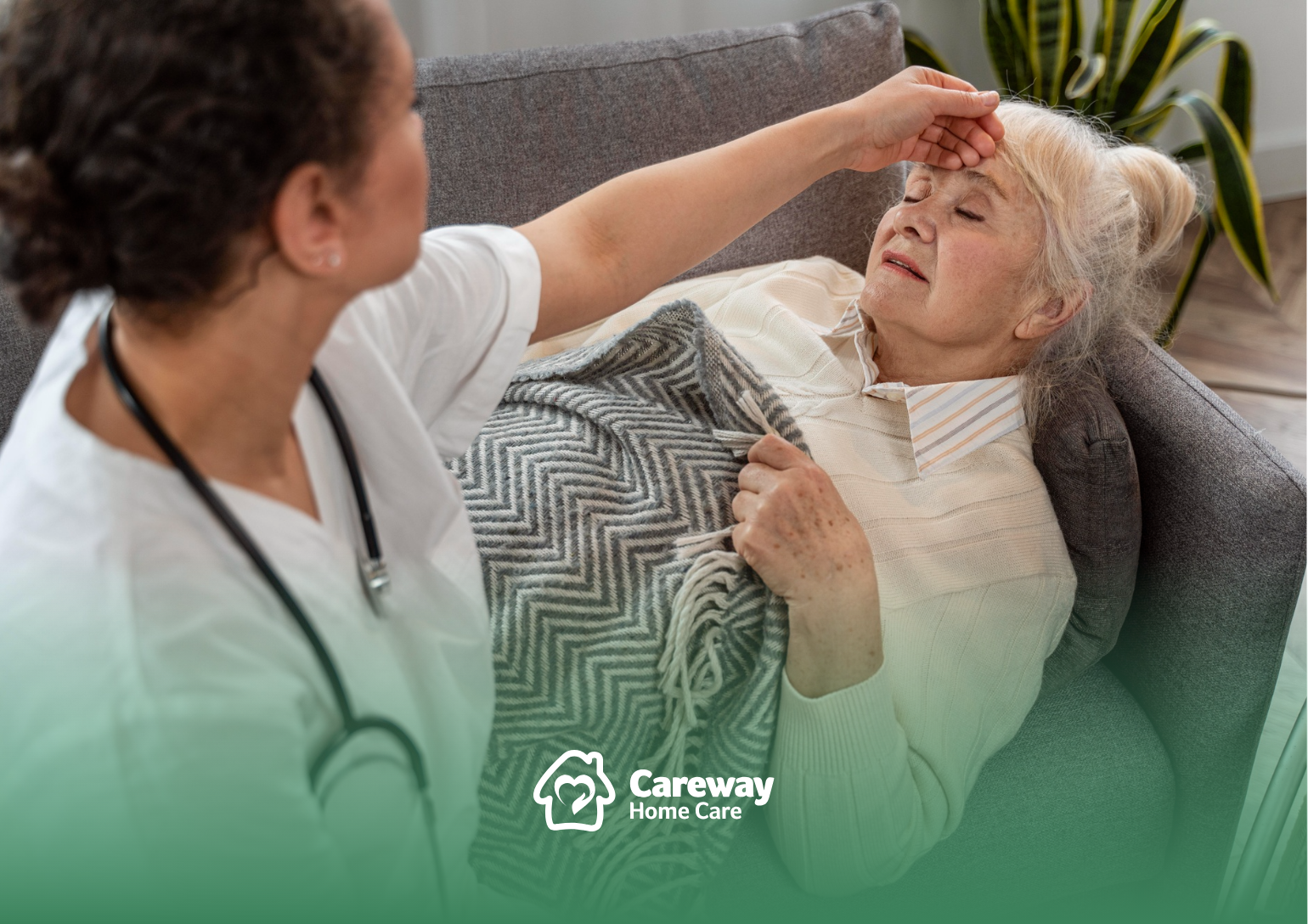
Living with a chronic illness can be emotionally draining. Feelings of frustration, depression, and isolation are common among seniors managing long-term health conditions. A compassionate caregiver provides companionship, encouragement, and emotional support that significantly improves mental health and overall outlook.
Working with Healthcare Providers
Effective chronic illness management requires coordination between the senior, their family, their caregiver, and their healthcare providers. Home care agencies like Careway facilitate this coordination by maintaining communication channels, assisting with appointment scheduling and transportation, and ensuring that care plans are followed consistently.
Caregivers can accompany seniors to medical appointments, take notes, ask questions, and help relay important information between visits. This continuity of care ensures nothing falls through the cracks.
The Benefits of Home-Based Chronic Care
Research consistently shows that seniors who receive in-home care for chronic conditions experience:
- Fewer hospitalizations due to better medication adherence and early intervention
- Better nutrition from regular, properly prepared meals
- Improved mobility from consistent exercise support
- Reduced depression from companionship and social interaction
- Greater independence by receiving help only where needed
- Higher satisfaction compared to institutional care settings
Why Pennsylvania Families Trust Careway
At Careway Home Care, we understand that managing a chronic illness requires more than just medical care — it requires a holistic approach that addresses physical, emotional, and practical needs. Our caregivers are trained to support seniors with chronic conditions while respecting their independence and dignity.
We serve families across all 67 Pennsylvania counties, providing personal care, homemaking, companionship, and transportation services. Through Medicaid-funded programs, many families can access these services at little to no cost, and family members can even get paid to provide care to their loved ones.
If your loved one is managing a chronic illness and could benefit from in-home support, contact Careway Home Care today. We’ll help you understand your options and create a care plan that fits your family’s needs.