When an aging parent or loved one begins to need daily assistance, families face one of the most important decisions of their lives: should their loved one receive care at home or move into an assisted living facility? Both options have merit, but they differ significantly in cost, environment, independence, and personalization. Understanding these differences is essential to making a choice that supports your loved one’s health, dignity, and happiness.
What Is Senior Home Care?
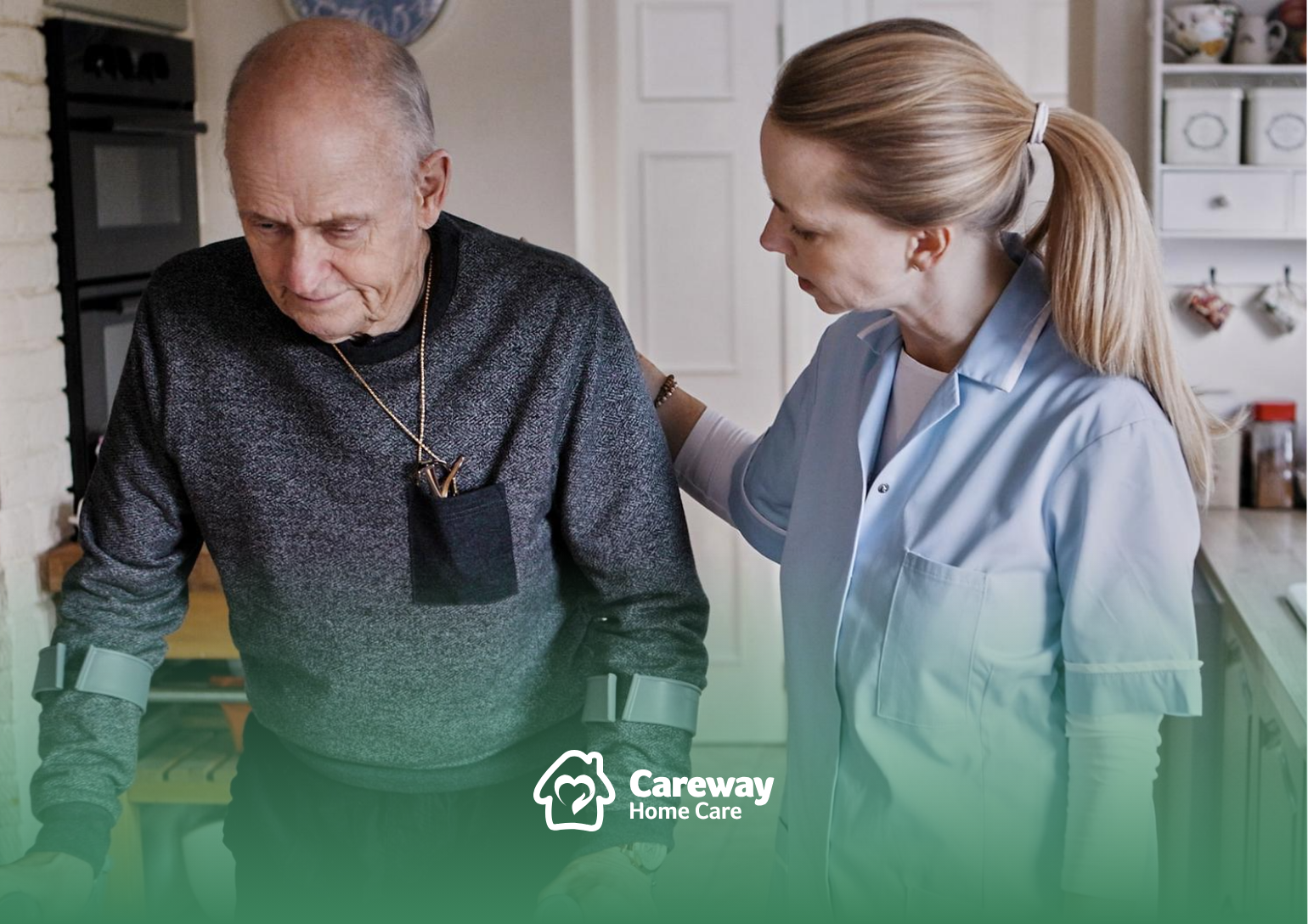
Senior home care refers to a range of non-medical and supportive services delivered in the comfort of a person’s own residence. A professional caregiver visits the home on a scheduled basis, whether for a few hours a day or around the clock, to assist with activities of daily living. These services typically include help with bathing, dressing, grooming, meal preparation, light housekeeping, medication reminders, companionship, and transportation to appointments.
Home care is designed for seniors who want to remain in familiar surroundings while receiving the support they need. It is highly flexible, with care plans tailored to the individual’s specific requirements and preferences. In Pennsylvania, agencies like Careway Homecare work closely with families to build personalized care schedules that evolve as needs change.
What Is Assisted Living?
Assisted living facilities are residential communities where seniors live in private or semi-private rooms or apartments and receive help with daily tasks from on-site staff. These communities offer meals in a communal dining area, housekeeping services, social activities, and access to medical support. Assisted living is intended for older adults who need some level of daily assistance but do not require the intensive medical care found in nursing homes.
While assisted living communities provide a structured environment with built-in social opportunities, they require the senior to relocate from their home. This transition can be emotionally challenging, particularly for individuals who have lived in the same home for decades.
Key Differences Between Home Care and Assisted Living
Cost
Cost is often the first factor families consider. In Pennsylvania, the median cost of assisted living runs approximately $4,500 to $5,500 per month, depending on the location and level of care. This fee typically covers housing, meals, and basic assistance.
Home care costs vary depending on the number of hours needed. For seniors who require only part-time help, such as four to six hours a day, home care can be significantly more affordable than assisted living. Even full-time home care may be comparable in cost while offering a more personalized experience. Many families find that starting with a few hours of home care per week and gradually increasing support is a cost-effective approach.
Independence and Autonomy
One of the strongest arguments for home care is the level of independence it preserves. Seniors remain in their own homes, follow their own routines, eat the foods they prefer, and maintain control over their daily lives. There are no communal dining schedules, no facility rules about visitors, and no need to adapt to a new environment.
Assisted living, by contrast, operates on a community schedule. While residents maintain some autonomy, they must adjust to shared spaces, set meal times, and the general rhythm of the facility. For many seniors, this loss of control can feel disempowering.
Personalization of Care
Home care offers one-on-one attention from a dedicated caregiver. Care plans are built around the specific needs, preferences, and personality of the individual. If your loved one prefers to wake up late, eat particular meals, or spend afternoons in the garden, their caregiver can accommodate all of that.
In assisted living facilities, staff members are responsible for multiple residents at once. While they provide competent care, the ratio of caregivers to residents means that the level of individual attention is naturally limited. Personalization is possible but constrained by the operational realities of a group setting.
Environment and Comfort
There is no substitute for the comfort of home. Familiar surroundings, personal belongings, cherished pets, and the neighborhood a senior has known for years all contribute to emotional well-being. Research consistently shows that older adults who age in place experience lower rates of depression and anxiety compared to those who relocate to facilities.
Assisted living communities work hard to create welcoming environments, but they are still institutional settings at their core. The adjustment period after moving in can be difficult, and some seniors never fully adapt to living away from home.
Social Engagement
Assisted living does have an advantage when it comes to built-in social opportunities. Communal dining, group activities, and the simple proximity of other residents make it easier for seniors to interact with peers.
However, home care can also address social isolation. Companion caregivers provide meaningful daily interaction, and they can help seniors stay connected to their existing social networks by providing transportation to community events, religious services, or visits with friends and family. Many Pennsylvania communities also offer senior centers and programs that home care clients can access with caregiver support.
Pros and Cons at a Glance
Home Care Pros
- Preserves independence and familiar surroundings
- Highly personalized, one-on-one care
- Flexible scheduling that adapts to changing needs
- Often more affordable for part-time care needs
- Allows seniors to stay close to family, friends, and community
Home Care Cons
- Family may need to coordinate home maintenance and safety modifications
- Social opportunities require more intentional planning
- Around-the-clock care can be costly
Assisted Living Pros
- Built-in social community and group activities
- On-site staff available around the clock
- Meals, housekeeping, and maintenance are included
Assisted Living Cons
- Requires relocation from the family home
- Less personalized attention due to staff-to-resident ratios
- Higher baseline cost regardless of actual care needs
- Loss of daily routines and personal autonomy
When Is Each Option Appropriate?
Home care is typically the best fit for seniors who are relatively stable, value their independence, and want to remain in their own homes. It works well for individuals recovering from surgery, managing early-stage chronic conditions, or simply needing help with daily tasks as they age. Home care is also ideal when a senior has a strong local support system of family and friends.
Assisted living may be more appropriate for seniors who require supervision throughout the day and night, particularly those with advanced cognitive decline who may be at risk if left alone. It can also be a good option for seniors who live alone, have limited family support, and are experiencing significant social isolation.
Why Pennsylvania Families Choose Home Care Through Careway
For many families across Pennsylvania, the decision comes down to a simple question: what will give our loved one the best quality of life? More often than not, the answer is home care.
Careway Homecare provides compassionate, professional in-home care services designed to keep seniors safe, comfortable, and thriving in the homes they love. Our caregivers are carefully matched with clients based on personality, needs, and preferences. We offer flexible scheduling from a few hours a week to full-time live-in care, and we adjust care plans as your loved one’s needs evolve.
Choosing between home care and assisted living is deeply personal. If you are exploring options for a parent or loved one in Pennsylvania, we encourage you to reach out to Careway Homecare for a free consultation. We can help you understand your options and build a care plan that puts your family’s needs first.